
Changing Lives in Thailand Through Family Mission Work
In the heart of Southeast Asia lies Thailand, a country known for its rich culture, stunning landscapes, and warm-hearted people. However, beneath the surface, many communities face significant challenges, including poverty, lack of education, and limited access to healthcare. Family mission work in Thailand is not just about providing aid; it’s about building relationships, fostering understanding, and creating lasting change. This blog post explores how families can make a profound impact through mission work in Thailand, sharing stories, practical tips, and insights into the transformative power of service.
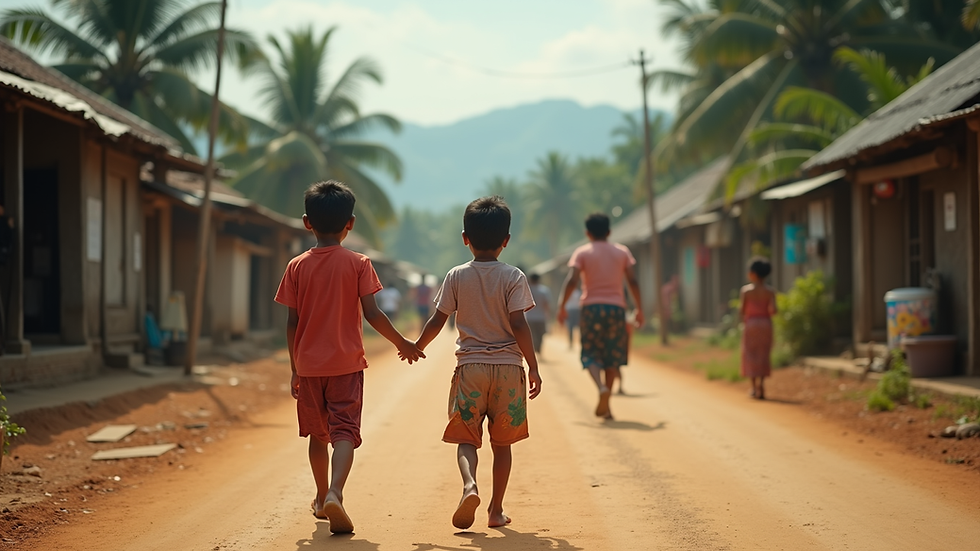
Understanding the Need for Family Mission Work
The Socioeconomic Landscape
Thailand is a country of contrasts. While it boasts a growing economy and a thriving tourism sector, many rural areas struggle with poverty. According to the World Bank, approximately 6.2% of the population lives below the national poverty line. Families in these communities often lack access to basic necessities such as clean water, nutritious food, and quality education.
The Role of Family Mission Work
Family mission work aims to address these needs by sending families to engage directly with communities. This approach allows families to:
Build Relationships: Establishing trust and understanding between cultures.
Provide Support: Offering resources and assistance where it is most needed.
Empower Communities: Helping locals develop skills and resources to improve their own lives.
The Impact of Family Mission Work
Case Study: The Smith Family
The Smith family from California embarked on a mission trip to Thailand, aiming to support a local school in a rural village. Their experience illustrates the profound impact that family mission work can have.
Initial Engagement
Upon arrival, the Smiths were welcomed by the community. They spent their first few days learning about the local culture, participating in daily activities, and understanding the challenges faced by the villagers. This initial engagement was crucial in building trust.
Educational Initiatives
The Smiths organized workshops focused on English language skills and basic computer literacy. By involving their children in teaching, they created a family-oriented learning environment that resonated with the local youth. The villagers appreciated the interactive approach, which made learning enjoyable.
Lasting Relationships
After their mission trip, the Smiths maintained contact with the community through regular updates and support. They helped establish a scholarship fund for local students, ensuring that education remained accessible. This ongoing relationship exemplifies how mission work can lead to sustainable change.
Practical Tips for Families Considering Mission Work
Choose the Right Organization
Selecting a reputable organization is essential. Look for groups that prioritize community needs and have a track record of successful projects. Research their mission, values, and past work to ensure alignment with your family’s goals.
Prepare for Cultural Differences
Understanding and respecting cultural differences is vital. Before your trip, educate your family about Thai customs, traditions, and social norms. This preparation will help you engage more effectively with the community.
Involve Everyone in the Planning Process
Involve all family members in the planning stages. Discuss what each person hopes to achieve and learn from the experience. This collaborative approach fosters a sense of ownership and commitment to the mission.
Set Realistic Goals
While it’s important to have goals, ensure they are achievable within your timeframe. Focus on small, impactful projects that can be completed during your visit. This approach allows for tangible results and a sense of accomplishment.
Embrace Flexibility
Mission work often involves unexpected challenges. Be prepared to adapt your plans as needed. Flexibility is key to making the most of your experience and ensuring that you can respond to the community’s needs.
Engaging with the Community
Volunteer Opportunities
There are numerous ways families can engage with local communities in Thailand:
Teaching: Offer English lessons or workshops on various subjects.
Healthcare: Participate in health camps or awareness programs.
Construction: Help build or renovate community facilities such as schools or clinics.
Cultural Exchange
Engaging in cultural exchange enriches both the visitors and the locals. Families can share their traditions, food, and stories while learning about Thai culture. This mutual exchange fosters understanding and respect.
Building Long-Term Relationships
The goal of family mission work should extend beyond a single trip. Establishing long-term relationships with the community can lead to more significant impacts. Consider ways to stay connected, such as:
Regular Communication: Send updates, letters, or care packages.
Fundraising: Organize events to raise funds for ongoing projects.
Return Visits: Plan future trips to continue your work and strengthen relationships.
Challenges of Family Mission Work
Cultural Sensitivity
Navigating cultural differences can be challenging. It’s essential to approach interactions with humility and an open mind. Be aware of local customs and practices, and avoid imposing your values on the community.
Emotional Strain
Witnessing poverty and hardship can be emotionally taxing. Families should prepare for the emotional impact of their experiences. Consider discussing feelings and reflections as a family to process the experience together.
Time Commitment
Family mission work requires a significant time commitment. Balancing work, family life, and mission activities can be challenging. Planning ahead and setting clear priorities can help manage this balance.
Conclusion: The Transformative Power of Family Mission Work
Family mission work in Thailand offers a unique opportunity to create meaningful change while fostering personal growth and understanding. By engaging with communities, families can make a lasting impact, not only on the lives of others but also on their own.
As you consider embarking on a mission trip, remember the stories of families like the Smiths who have transformed lives through their dedication and service. The journey may be challenging, but the rewards—both for the community and your family—are immeasurable.
Take the first step today. Research organizations, plan your trip, and prepare to change lives—yours and those of the people you will meet in Thailand.

Comments